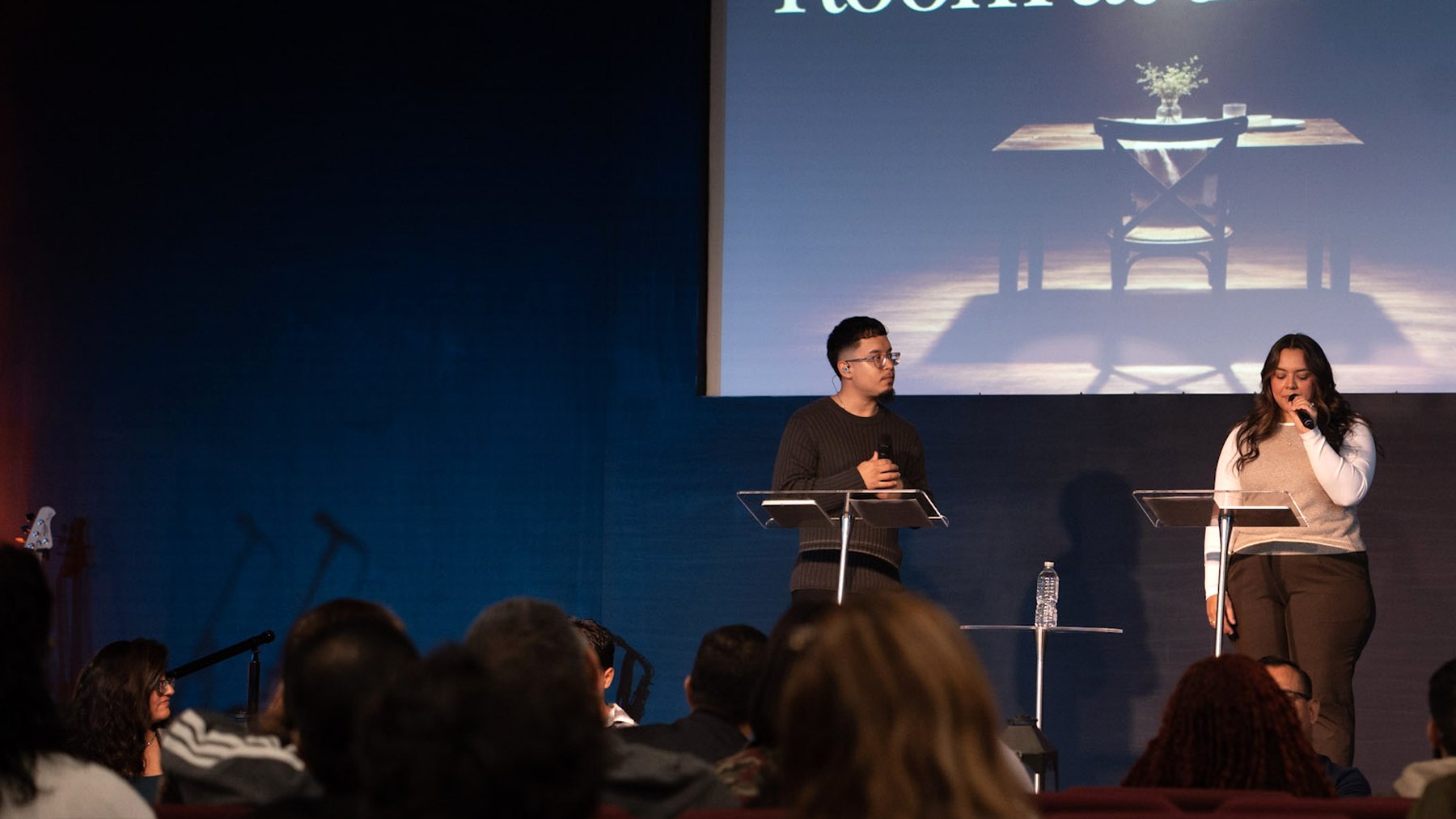
That Sunday we walked into a different room. Long tables with white cloths ran between the rows of seats, set as if a meal was coming. "This morning we want to remind you," the message began, "that there's room at the table."
Yony and Alex, a married couple, shared the pulpit and opened Luke 15, the parable of the lost son. It's a story we've all heard, they said, and it still speaks to every day of our lives.
The younger son asks for his share of the estate before his father dies. What he is really saying is this: I want what is yours, but I don't want you. The money was the small part. He was rejecting his father's authority and choosing to define life on his own terms. He called it freedom. When the money ran out and a famine came, he ended up feeding pigs and wishing he could eat what they ate. Even then he didn't go home right away. His freedom turned into slavery to his own desires.
"How many of us today are slaves to our desires?" We live in a world that says, I do what I want and nobody tells me otherwise. The son's sin, they pointed out, started before he wasted a single coin. It started when he chose the inheritance over the father.
Then he came to his senses and started home, rehearsing the speech about being a hired servant.
You'd expect the son to be the one running, they said. It was the father. And the father never asked for an explanation. He didn't remind him of his mistakes or make him earn his way back. He called for the best robe, a ring and sandals, and he threw a party.
People walk into church carrying things we can't see: shame, regret, broken relationships, addictions. Sometimes what keeps them from coming back is the fear of how we will receive them.
Your distance from the Father doesn't cancel your place in his heart. Your seat at the table is not canceled.
Then the other side of the story. The older brother came in from the fields, heard music, and refused to go inside. All these years I've worked for you, he told his father, and you never gave me even a young goat. We can get so focused on who has been the most faithful or served the longest, they told us, that we forget to celebrate the ones coming home. "We shouldn't point the finger. We should just make room at the table."
One of them remembered a house like that. On Saturday afternoons, when nobody felt like buying food, the whole family knew where to go. Not to Mom's house. To Grandma's. She never called around to see who was coming. There was always a big pot full of rice, waiting for her children, her grandchildren and her great-grandchildren. "Let's not wait to count the people who might come," they said. "Let's make room for them, and receive them with love."
From there they moved to Luke 14, where Jesus told of a man who prepared a great banquet. When everything was ready, the guests started making excuses: a field just bought, new oxen, a wedding. The excuses sounded reasonable, but they all said the same thing. Something else mattered more than the invitation.
So the host sent his servant out for the poor, the crippled, the blind and the lame. The house still wasn't full. Go further, he said, out to the roads and the hedges, so my house will be full. That last invitation, they told us, is for us, the Gentiles, people who were never part of Israel, even those who have never heard the name of Jesus. "The table has already been prepared. And the invitation demands a response."
A short video near the end asked what would happen if we brought the gospel back to every table.
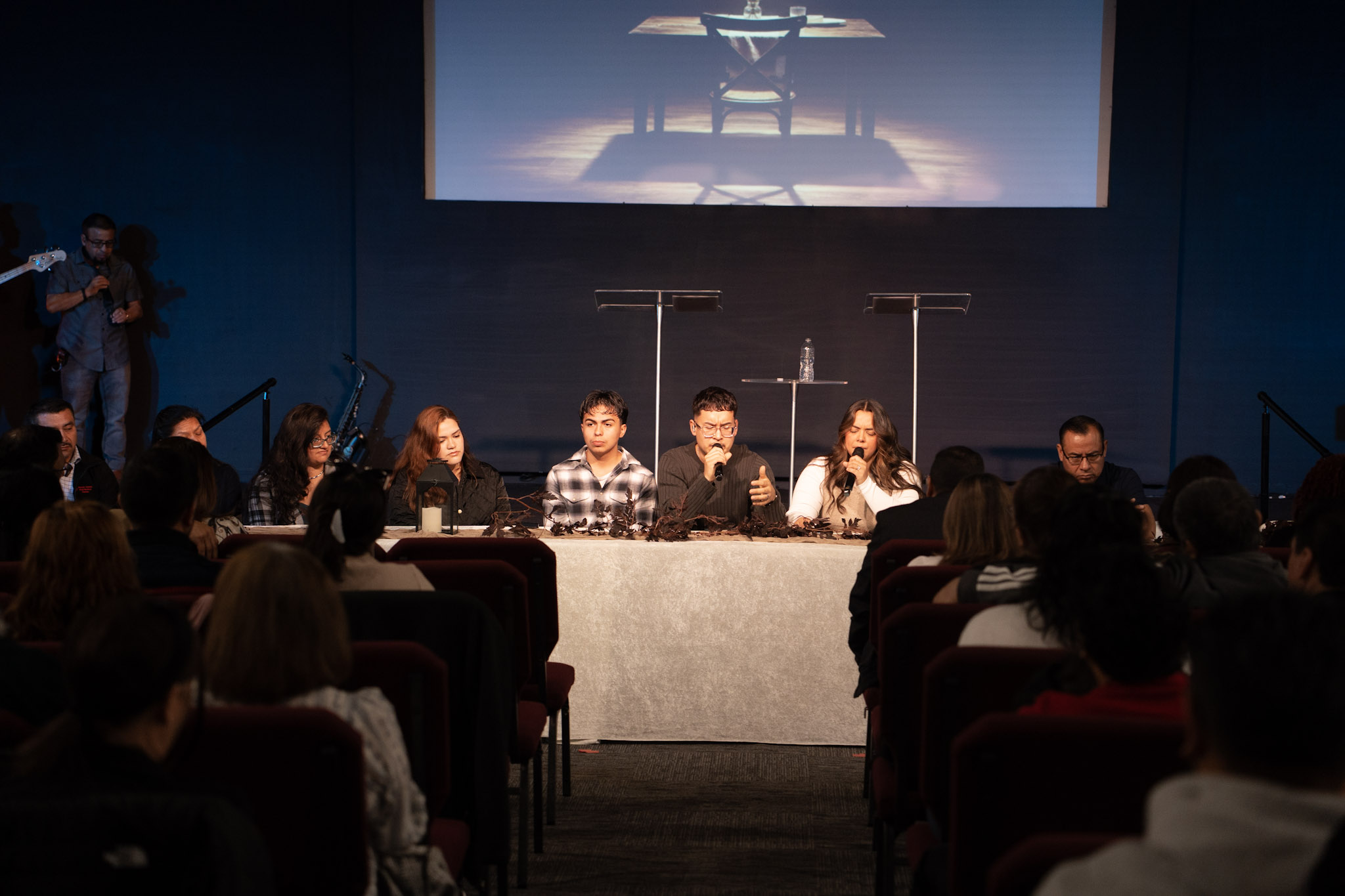
The closing turned to those of us already seated. Like the older brother, we can say, God, I've worked so hard for you. I get up early. I do this and that. Maybe you're the one who directs parking, makes the coffee or cleans the floor. Remember why. It's because of his grace that we can serve him at all. He ran toward us first.
We want an eternity with Jesus, they said, but some of us can't spend one minute with him here without reaching for our phones.
Then came three invitations. The first was for those who have said yes to Jesus but need to give him areas of their lives that only he knows. The second was for those who said yes once and, like the prodigal son, left home. "There is space at this table." The third was for anyone hearing this message of grace for the first time. It doesn't matter where you came from. Jesus has been running toward you, and there are brothers and sisters here who will receive you with love.
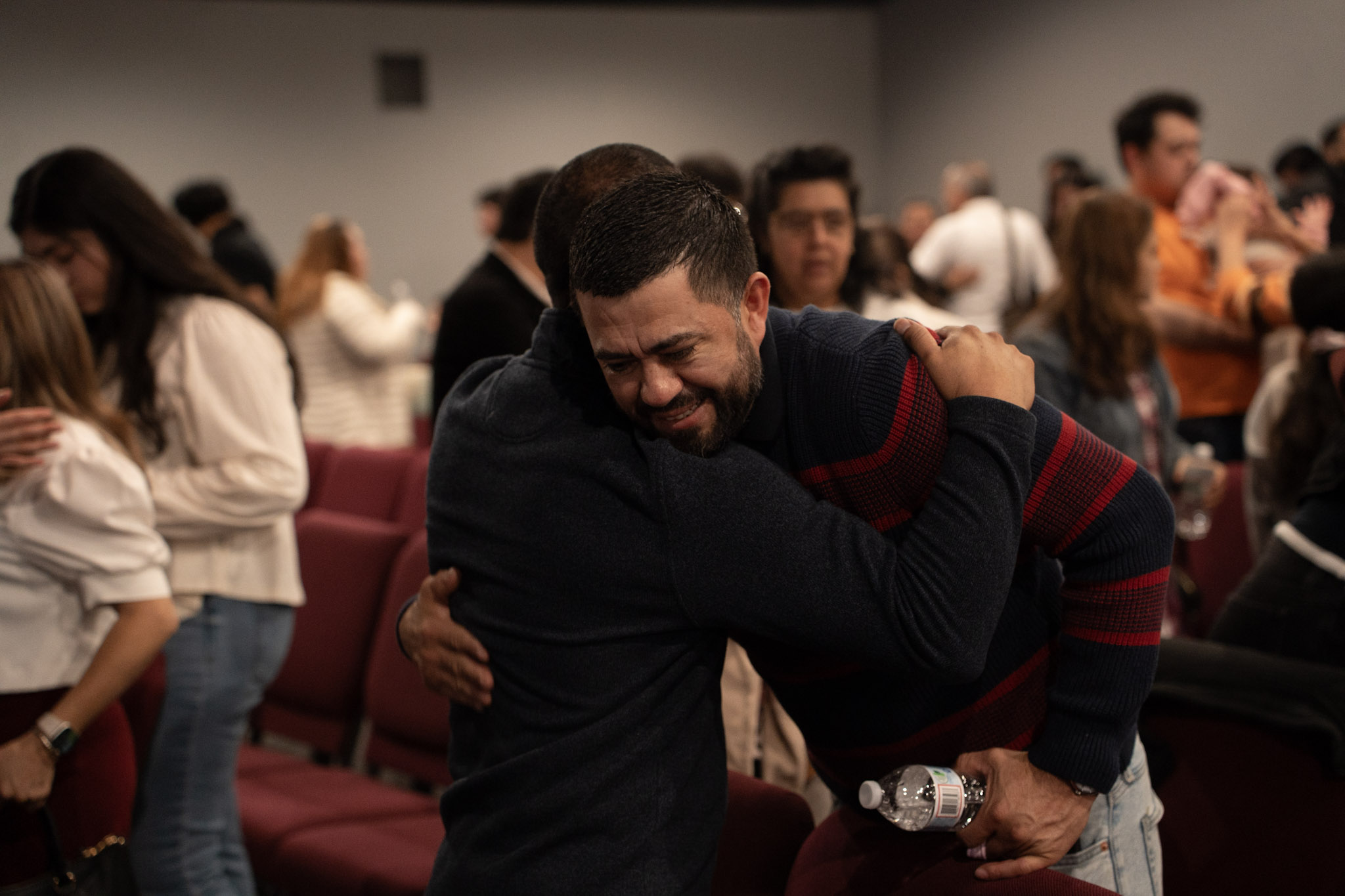
The worship team sang while the invitation stood open, and we prayed together. When the service ended, there were long hugs all over the room.
The main points
- The younger son's rebellion started the day he chose the inheritance over the father, long before the money ran out.
- The father ran to his son, asked for no explanation, and threw a celebration. That's how God receives us.
- The older brother was close to the father and still missed the party. Faithful people can forget to celebrate the ones coming home.
- The great banquet's invitation goes all the way out to the roads, and it needs a response.
Questions for this week
For your time with God, your family or your group.
- Is there an area of your life where you want what God gives but not God himself?
- Who do you know who might be afraid of how the church would receive them?
- Have you ever felt like the older brother? What helped you go back inside?
- What excuse has kept you from saying yes to God's invitation?
- Whose table could you set a place at this week?
Common questions
What is the parable of the prodigal son?
Also called the parable of the lost son, it's a story Jesus told in Luke 15:11-32. A younger son takes his inheritance early, wastes it, and comes home ready to be a hired servant. His father runs to meet him and throws a feast. His older brother refuses to join the celebration.
What is the parable of the great banquet?
In Luke 14:15-24, a man prepares a banquet, but the first guests make excuses. He sends his servant to bring in the poor, the crippled, the blind and the lame, and then out to the roads and hedges so his house will be full.
What were the three invitations at the end?
One for people who already follow Jesus and need to surrender more of their lives to him, one for those who once said yes and walked away, and one for anyone hearing the message of grace for the first time.
Was this message preached in English or Spanish?
Both. The preachers took turns in English and Spanish, interpreting for each other. Every Sunday celebration at Living Waters is in both languages.