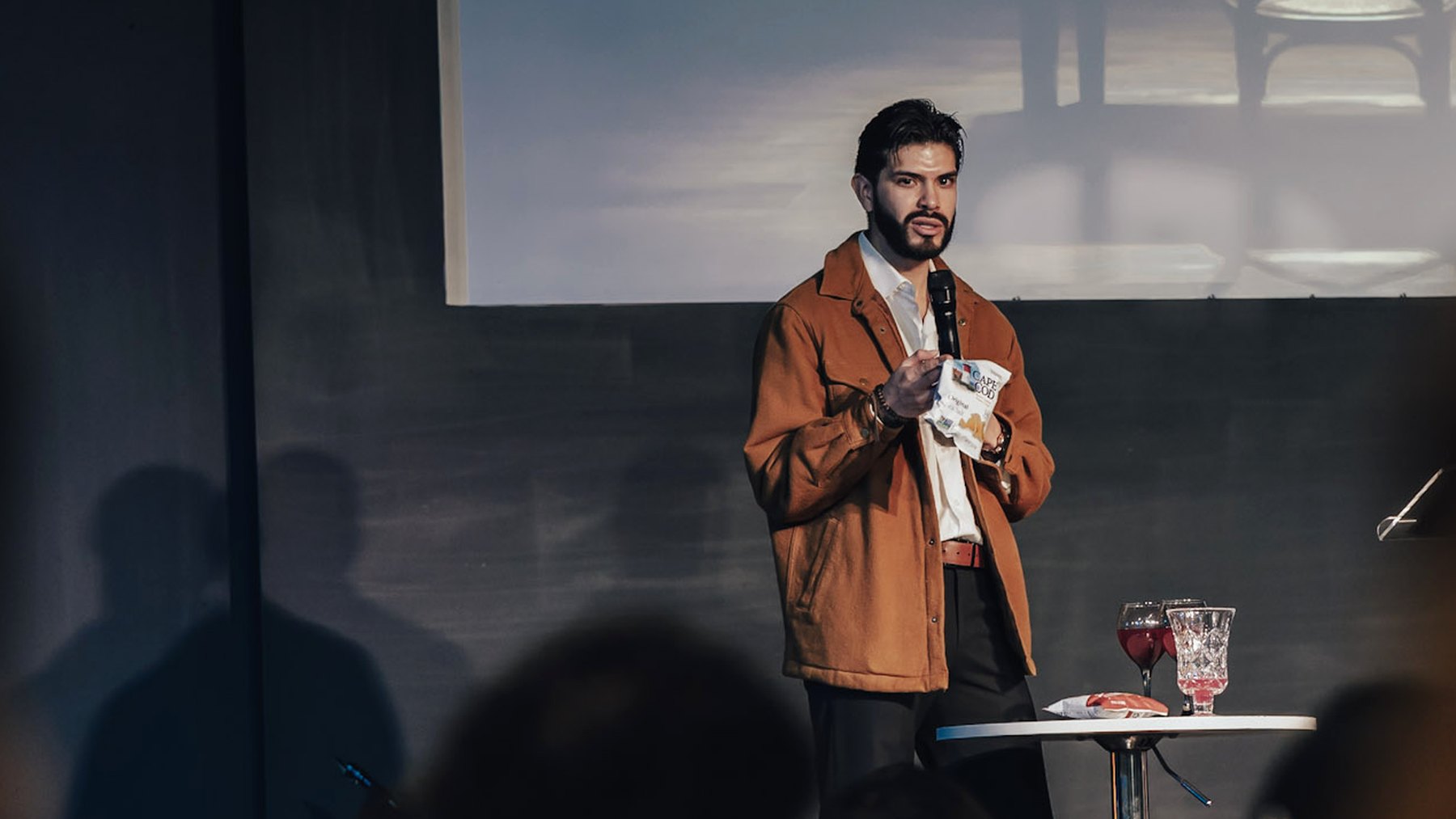
Pastor Daniel Tejeda started with what Pastor Estuardo said the week before: there's room for you at the table. But being at church, even being at the table, isn't the response. The response is to eat what's on it: to hear Christ and be fed by him.
He asked us to picture inviting someone to dinner. You clean the house. You buy the ingredients and think hard about what to cook. You pull the table out to make it bigger and add two or three chairs. Your guest arrives, sits down in front of the whole feast, takes out his own food and starts eating it. "That's a bit insulting, right?" He told us he'd chase that guest right out of his house. And we do it with God all the time.
He took us back to Genesis, where God set creation like a table, down to the small details, and walked with the man and the woman in the garden (Genesis 3:8).
Then Genesis 18. Three men come to Abraham's tent, and Abraham calls them "my Lord," singular. He and Sarah prepare a meal and Abraham serves it, but he doesn't sit down to eat. Maybe, Pastor Daniel said, sin had already come into the world and Abraham didn't feel worthy to sit with God. God was the one seeking that table anyway, and he left it with a promise for Abraham's generations. "We do not build the table. It's not something that we earn, or that we pay to be there."
Sin put distance between God and people. Isaiah 59:2 says our sins separated us from God. He asked us to see it: a table set with a beautiful meal, God sitting at it, and empty chairs that nobody can fill. Not because God doesn't want them filled. Romans 3 says there is no one righteous, not even one. Being a good person won't earn the seat, and neither will religion or good works.
So God did what nobody else could. He got up from the table and became a baby, flesh and bone like us. He got up to come and find us.
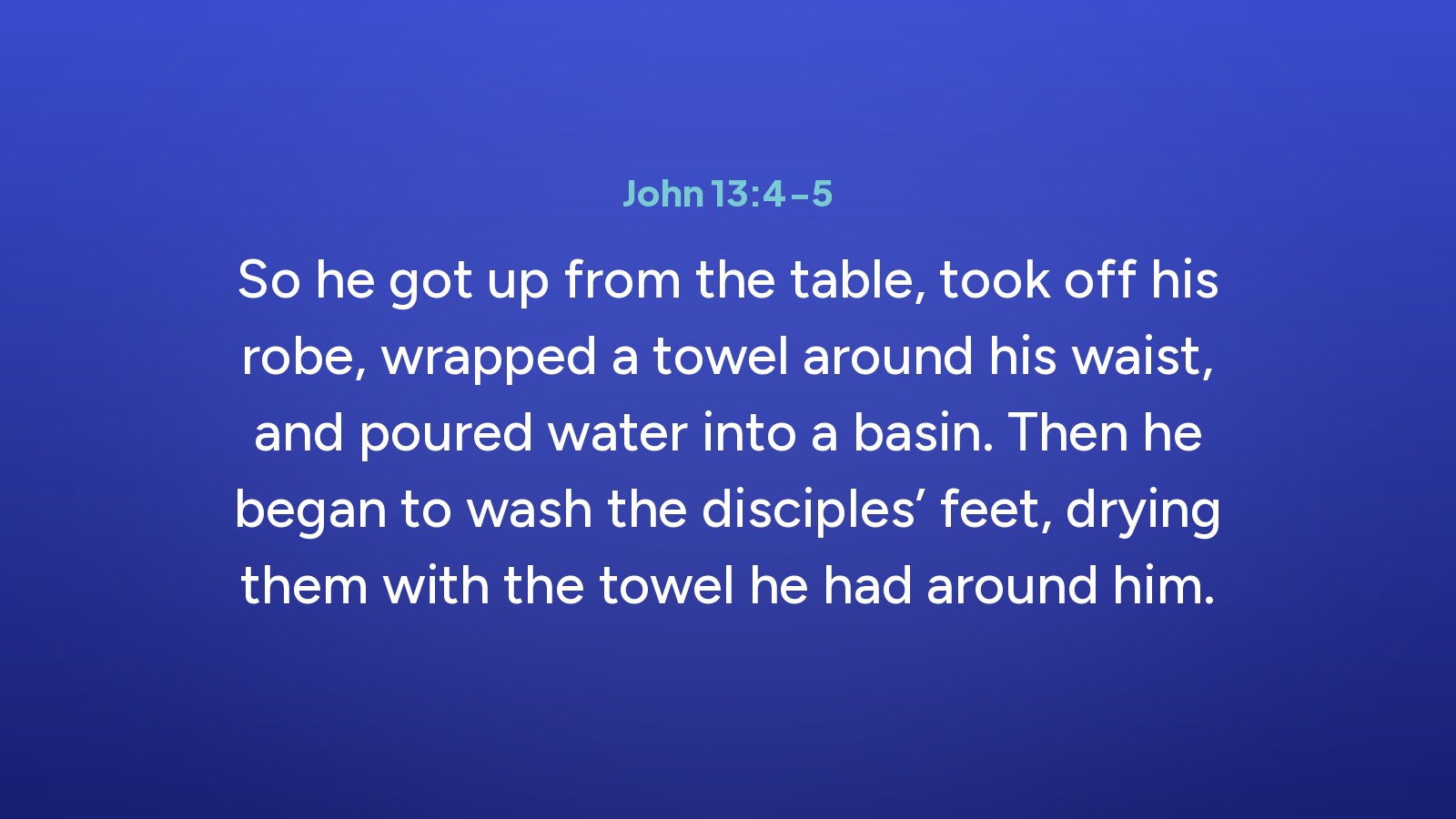
At the Last Supper, Jesus got up from the table again, this time to wash his disciples' feet. Peter refused, and Jesus told him that unless he washed him, Peter would have no part with him. So Peter asked for more than his feet: being at the table wasn't enough, he needed what Jesus had for him. The blood of the cross was the price for our seat, and now we can drink from the cup he prepared. Romans 5:8: while we were still sinners, Christ died for us.
Zacchaeus shows the same thing. He was a tax collector, a thief, the kind of man nobody visited. He climbed a tree to see Jesus, and Jesus looked up and told him to come down, because he had to stay at his house that day. Jesus invited himself. "Jesus got up from the table to look for you and me," Pastor Daniel said. "And that's the best news we could ever receive."
Then he said this is where it gets uncomfortable. We can sit in God's presence already planning what we'll do after church. And there's another table: our ego, our desires, our dreams, our businesses, and the world we go out to every day, with its money, traffic and politics. We can't get rid of that table until the Lord takes us home, and there's nothing wrong with sitting at it. The problem is the junk food. Pride. My own way of seeing things. The culture around me. We sit at God's table, push the cup to one side, and eat the junk we brought from the other table, like the guest with his own dinner.
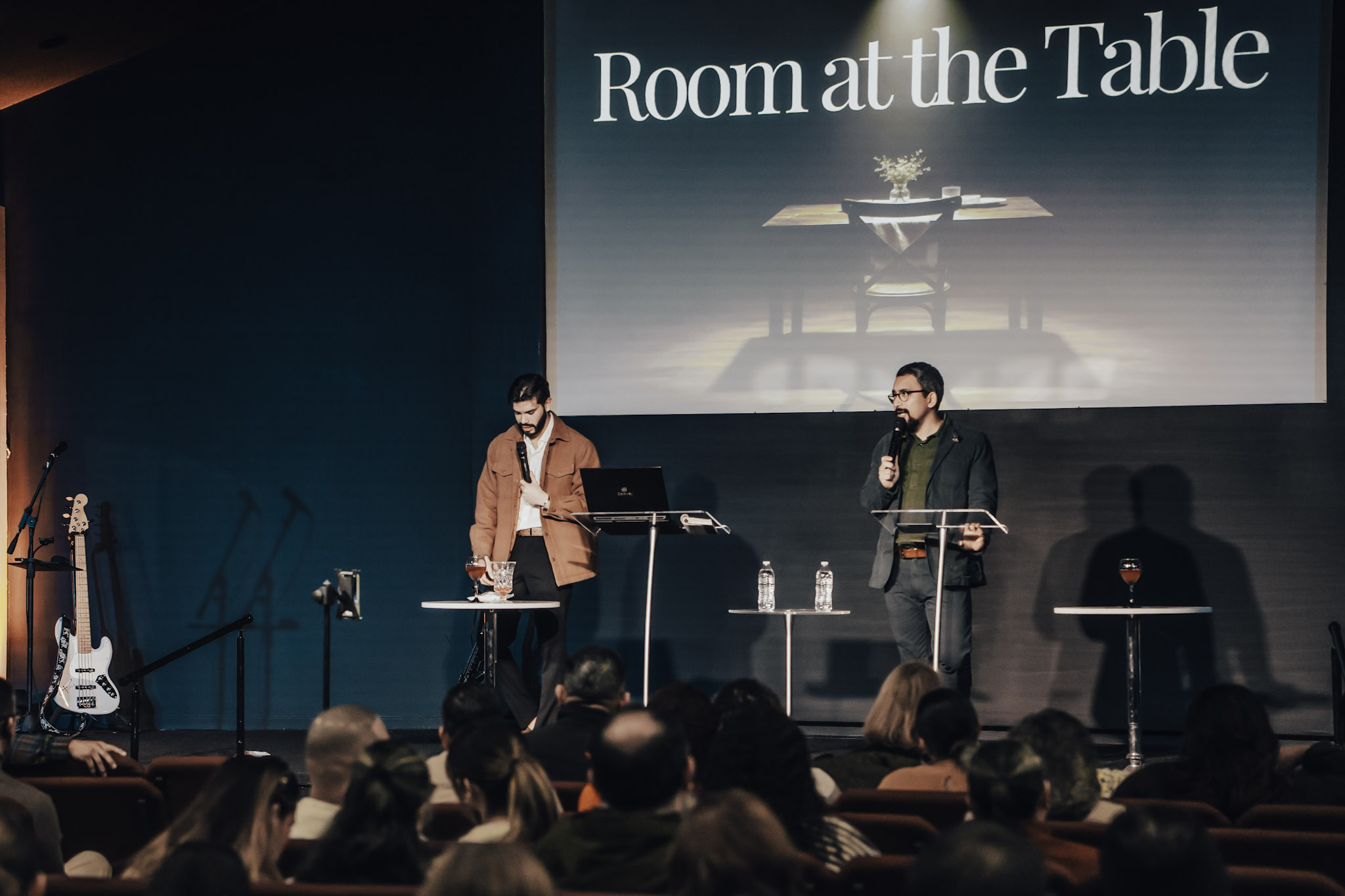
He turned it on our Sundays. We know the template by heart: start at eleven, sing for half an hour, offering, sermon, sing at the end. Are we being fed from what's served here, or has it become routine?
Some of us think we can carry our junk food to God's table and he'll bless it anyway. It doesn't work that way, he told us. "I'm here because I'm already blessed. All I have to do is drink from the cup." What we receive at Christ's table is meant to bless the people sitting at the other table, the ones we see at work every day.
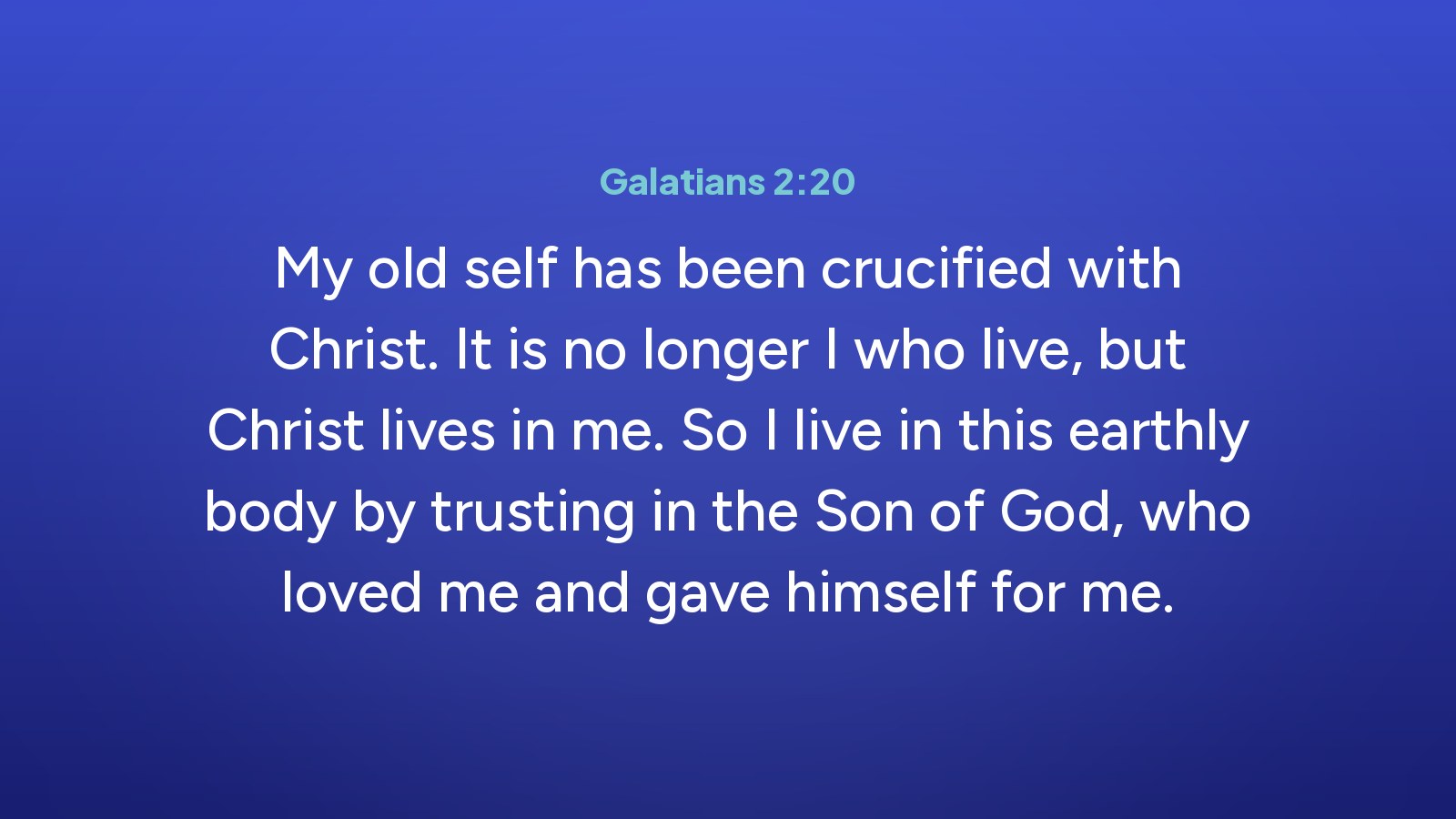
How do we get from saying that verse to living it? We stop eating from the table of the ego, of pride and of our own opinions about how the world works, and we eat from Christ's table, where he makes us new.
He left us three questions: what am I bringing to this table, what am I eating from it, and what am I feeding on during the week? Then he came back to Zacchaeus, who stood up, gave half of what he had to the poor and paid back four times what he took.
Repentance isn't the price to have a space at the table. It's the response of someone who is seeking.
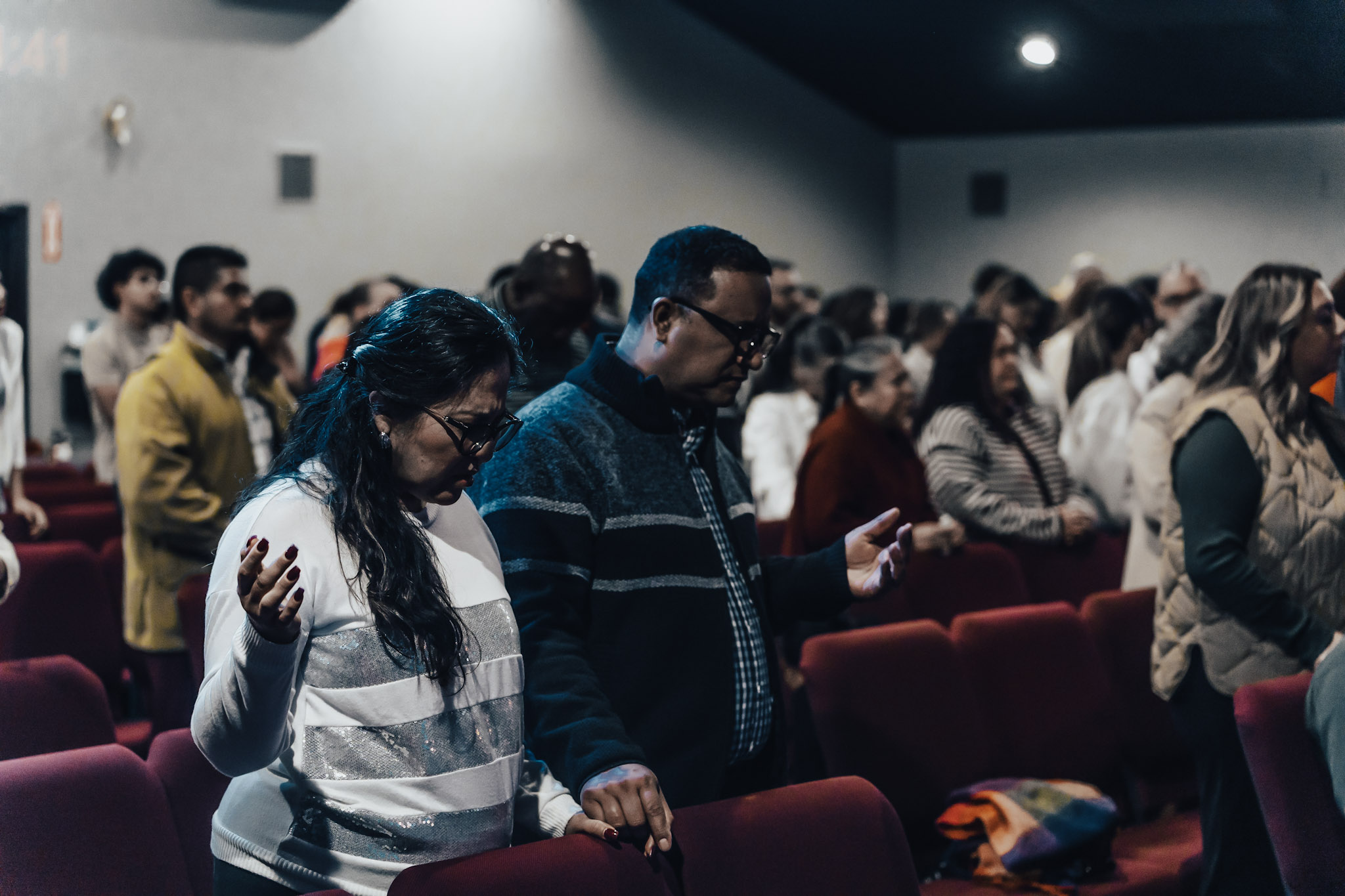
He prayed with us, asking forgiveness for our pride and for bringing things to God's table that didn't belong there. "The lights don't matter. The music doesn't matter," he prayed. "What matters is Christ, and what we eat from him."
The main points
- Coming to church, and even sitting at God's table, isn't the response. The response is to eat what Christ serves: hear him and be fed by him.
- No one earns a seat at God's table. Jesus got up from it to come and find us, and the cross paid for our place.
- There is a second table, our ego and the world. We can't get rid of it, but we can stop carrying its junk food to God's table.
- What we receive from Christ is meant to bless the people at the other table, at work and everywhere else.
Questions for this week
For your time with God, your family or your group.
- What "junk food" from the other table do you tend to bring with you to God's table?
- Has Sunday become a routine for you? What would it look like to be fed from it this week?
- Who sits at the other table with you at work or at home, and how could what you receive from Christ bless them?
- Like Zacchaeus, what do you need to let go of today?
Common questions
What are the two tables?
The first is the table God prepared: his presence, his word, and the cup and the bread Christ gave on the cross. The second is the table of our ego and the world: our desires, work, money, relationships and the systems we live in. We sit at both. The question is which one we are eating from.
Who was Zacchaeus?
A tax collector in Jericho whom people despised as a thief (Luke 19:1-10). Jesus called him down from a tree and went to his house.
Was this message preached in English or Spanish?
Both. The message was preached in Spanish with live English interpretation. Every Sunday celebration at Living Waters is in both languages.